
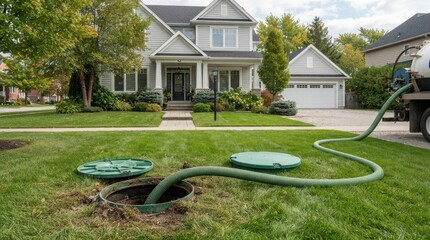
A septic system can operate quietly for years, making it easy to forget that waste is continuously accumulating inside the tank. Although bacteria break down some organic material, sludge and scum gradually build up and must eventually be removed. Waiting until toilets back up or sewage odors appear can put unnecessary stress on the system and potentially lead to more expensive problems.
Scheduling septic tank cleaning as preventive maintenance helps remove accumulated solids before they interfere with normal wastewater treatment. Knowing when to schedule septic tank cleaning can help homeowners maintain reliable performance, protect the drain field, and reduce the risk of unexpected septic emergencies. Contact The Septic Guys for more details.
What Is Septic Tank Cleaning?
Septic tank cleaning involves removing accumulated wastewater, sludge, and scum from the tank using specialized pumping equipment. Heavy solids settle at the bottom of the tank, while oils, grease, and other lighter materials form a floating layer near the surface. The liquid portion between these layers eventually moves toward the drain field.
Over time, the solid layers become thicker and reduce the tank’s usable capacity. If too much material accumulates, solids may move toward downstream components and interfere with the system. Cleaning removes this buildup and provides an opportunity to inspect accessible parts of the septic tank.
How Often Should You Schedule Septic Tank Cleaning?
There is no single cleaning schedule that works for every septic system. The appropriate frequency depends on factors such as tank capacity, household size, water usage, waste habits, and how quickly solids accumulate. Many residential systems require service every few years, but individual needs can vary significantly.
Instead of relying exclusively on a general timeline, homeowners should consider previous service records and professional inspection findings. If a technician measures sludge and scum levels during maintenance, that information can help establish a more appropriate schedule. Regular monitoring is more reliable than waiting for obvious symptoms.
Does Household Size Affect Septic Cleaning Frequency?
Yes. The number of people living in a home can influence how quickly waste accumulates inside the septic tank. A larger household generally produces more wastewater and solid waste than a smaller household using a similarly sized system. As a result, the tank may require more frequent attention.
Changes in household occupancy should also be considered. A home that previously housed two people may have different maintenance requirements after a larger family moves in. Keeping track of system usage and previous cleaning intervals can help homeowners adjust their maintenance schedule appropriately.
Does Septic Tank Size Matter?
Tank capacity is another important factor when determining when to schedule cleaning. A smaller tank serving a busy household may accumulate solids more quickly relative to its available capacity. A larger tank may provide additional storage, although it still requires periodic maintenance.
Homeowners who are unsure about tank capacity may be able to find the information in installation records, property documents, or previous septic service reports. A septic professional may also help determine the approximate system size. Knowing both tank capacity and household usage makes maintenance planning easier.
What Are the Signs You May Need Septic Tank Cleaning?
Ideally, septic cleaning should occur before obvious problems develop. However, certain symptoms can indicate that the septic or wastewater system requires professional attention. Multiple slow drains, toilets that flush poorly, gurgling plumbing, persistent sewage odors, and wastewater backups should not be ignored.
Outdoor warning signs can include unusually wet ground, standing wastewater, or persistent sewage odors around septic components. These symptoms do not necessarily mean cleaning alone will solve the problem. Clogged pipes, damaged components, or drain field problems can produce similar symptoms, so professional diagnosis is important.
Should You Schedule Cleaning If Your Drains Are Slow?
One slow sink or shower is often associated with a localized plumbing blockage rather than the septic tank. However, when several fixtures throughout the house begin draining slowly at approximately the same time, the problem may involve the main wastewater system.
If the septic tank is overdue for maintenance, accumulated solids could be contributing to the problem. A septic professional can inspect the system and determine whether cleaning is appropriate. Avoid repeatedly using drain treatments without understanding the cause, particularly when multiple fixtures are affected.
Should You Wait Until the Septic Tank Is Full?
Waiting until a septic system develops obvious problems is not a good maintenance strategy. A septic tank normally contains wastewater during operation, so the goal is not to prevent it from being “full” of liquid. Instead, maintenance focuses on preventing excessive sludge and scum accumulation.
By the time sewage backs up into the home or wastewater surfaces outdoors, the system may already be experiencing significant difficulty. Preventive cleaning removes accumulated solids before they create this level of risk. A planned maintenance schedule is generally more manageable than an emergency service call.
Should You Clean the Septic Tank Before Buying or Selling a Home?
When purchasing a property with a septic system, understanding the system’s condition and maintenance history can be valuable. Buyers may want to know when the tank was last serviced, what inspections have been completed, and whether repairs have been documented. Local requirements and real estate practices vary, so the appropriate inspection process depends on the property and jurisdiction.
Sellers can benefit from maintaining accurate septic service records as well. Documentation can demonstrate when routine maintenance occurred and identify previous repairs. Cleaning should not be treated as a substitute for an appropriate septic inspection, however. An empty tank alone does not prove that the entire system is functioning properly.
Should Septic Cleaning Be Scheduled Before Heavy Household Use?
If your septic system is already due for maintenance, scheduling service before a period of unusually heavy use can be practical. Large gatherings or additional long-term occupants can increase household wastewater production. An overdue tank has less margin for additional solid accumulation.
However, septic tanks do not need to be pumped before every holiday, party, or family visit. The decision should be based on the system’s maintenance history and condition rather than the event itself. Responsible water use during periods of higher occupancy can also help reduce stress on the system.
Does Using a Garbage Disposal Affect the Cleaning Schedule?
Garbage disposals can increase the amount of solid organic material entering a septic tank. Although the disposal breaks food into smaller pieces, those materials still enter the wastewater system and can contribute to sludge accumulation.
Households that frequently use garbage disposals may need to pay closer attention to septic maintenance. Keeping unnecessary food waste, cooking oils, and grease out of household drains can reduce the amount of material entering the tank. A septic professional can consider these habits when recommending a service interval.
What Happens During Septic Tank Cleaning?
The service typically begins with locating and safely accessing the septic tank. A technician can evaluate existing conditions before specialized vacuum equipment is used to remove wastewater, sludge, and scum. Thick accumulated material may require additional effort to remove thoroughly.
Cleaning also creates an opportunity to observe accessible components such as lids, baffles, filters, and inlet or outlet areas, depending on the system design and scope of service. Damage discovered during cleaning may require additional repair. The access point should be properly secured when the service is complete.
What Happens If You Delay Septic Tank Cleaning?
Delaying maintenance allows sludge and scum to continue accumulating. Eventually, excessive solids can reduce effective tank capacity and increase the possibility of material moving toward the outlet. Downstream components are not designed to receive large amounts of septic tank solids.
Homeowners may eventually experience slow drainage, odors, backups, or other wastewater problems. If solids contribute to problems in the drain field, correcting the situation can be substantially more complicated than routine tank cleaning. Preventive maintenance helps reduce this avoidable risk.
How Can You Make Septic Tank Cleaning Easier?
Keeping accurate maintenance records is one of the simplest steps homeowners can take. Record each cleaning or pumping date, inspection findings, repairs, and tank capacity if known. These records make it easier to estimate when the next service should occur.
Access also matters. Homeowners should know where their septic tank and access lids are located and avoid placing permanent structures over them. Appropriate risers can sometimes make future maintenance more convenient by providing easier access. Vehicles and heavy equipment should also be kept away from the tank and drain field.
How Can You Extend the Time Between Septic Problems?
Good household habits support the system between professional cleaning appointments. Only appropriate waste and toilet paper should be flushed. Wipes, diapers, paper towels, hygiene products, cooking grease, and other unsuitable materials should be disposed of elsewhere.
Water use should also be managed responsibly. Repair leaking toilets and faucets and avoid unnecessarily sending large amounts of water into the septic system within a short period. Protect the drain field from vehicles, heavy construction, and excessive surface water. These practices will not eliminate the need for cleaning, but they can help protect overall system performance.
When Should You Call a Septic Professional?
Schedule professional service when your maintenance records indicate that the tank is due for cleaning or when you do not know when it was last serviced. Professional evaluation is also appropriate when multiple drains become slow, sewage odors persist, plumbing backs up, or unusual wet areas appear around septic components.
Some symptoms require more than routine cleaning. A technician can determine whether accumulated solids are the primary concern or whether another part of the system requires attention. Accurate diagnosis helps avoid treating a larger septic problem as a simple maintenance issue.
Final Thoughts
The best time to schedule septic tank cleaning is before excessive sludge and scum accumulation begins interfering with the system. Although many households clean or pump their tanks on a multi-year schedule, the appropriate interval depends on tank capacity, household size, water use, waste habits, and previous maintenance findings. Homeowners should not wait for sewage backups, strong odors, or standing wastewater before requesting service. Keeping accurate maintenance records and having the system evaluated periodically can provide a more reliable cleaning schedule. With preventive septic tank cleaning and responsible household habits, homeowners can protect their wastewater systems and reduce the likelihood of expensive, disruptive problems.